









4 Common Myths About Managing Business Information
Managing business information involves more than storing documents or finding them faster. Explore four common assumptions that can create disconnected processes and unnecessary bottlenecks.

Public works departments face a unique set of challenges. They are responsible for managing critical infrastructure for roads, bridges, water and sewer systems, waste management (trash and recycling), and public buildings. Public Works must coordinate across multiple departments, responding to public inquiries, and maintaining compliance with local, state, and federal environmental and safety regulations. Yet many teams are still operating with paper-based processes and aging file systems that slow them down at every turn.
In this environment, accessing a critical document, whether a site plan, equipment manual, inspection report, or personnel record should take seconds, not days. But without a unified content strategy, even simple requests can become complex, time-consuming tasks.
DocStar and archSCAN LLC have partnered to offer a solution built specifically for these challenges, helping public works teams move beyond paper and gain reliable, secure, and fast access to information.

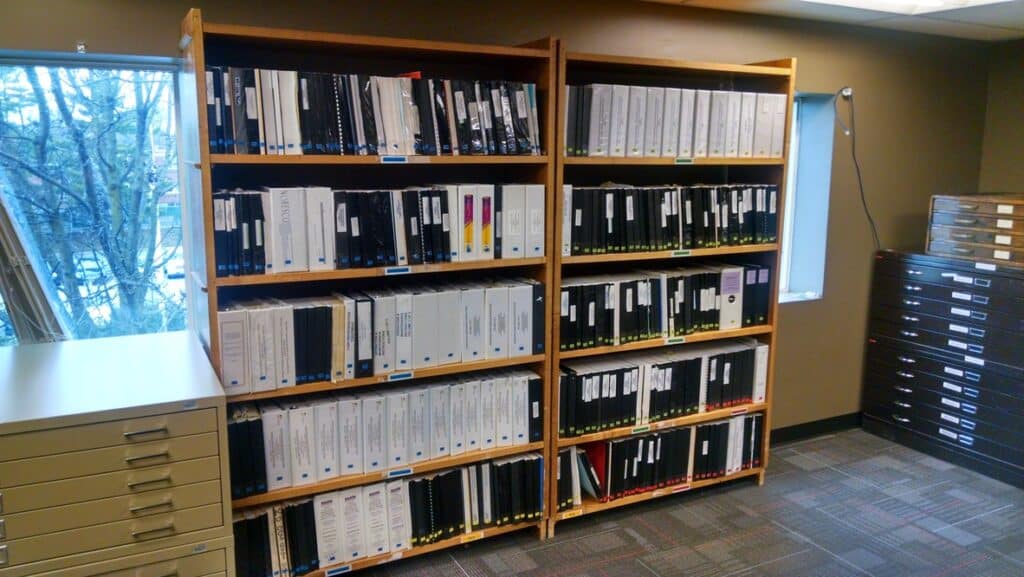
Paper files may seem like a familiar system, but their limitations become clear under pressure.
Public works agencies often contend with:
Electronic files may be equally disorganized due to poor indexing structures, difficult digital access on servers, PCs, or piles of CDs. Digital files housed on a server are also at a greater risk for hackers.
This fragmentation not only slows down internal workflows it puts agencies at risk when responding to audits, legal requests, or public records demands. Inconsistent filing, misplacement, and version control issues are not uncommon.
At a time when digital transformation is redefining how government services are delivered, paper-based systems and server-based systems remain a weak link in operational performance.

Through a combination of expert scanning services and enterprise content management, archSCAN and DocStar provide a full-cycle cloud-based solution to help agencies organize, digitize, and take control of their documents.
This isn’t about simply replacing file cabinets with digital folders, it’s about building an intelligent, structured content environment that integrates with how public works teams already operate.

archSCAN specializes in converting public-sector documents into high-quality digital files while maintaining the organizational structure agencies need. This includes:
Files are prepared, scanned, and indexed based on real-world identifiers such as parcel numbers, project codes, or employee IDs ensuring they’re searchable and retrievable later.
Whether digitizing decades of legacy records or setting up an ongoing process for incoming documents, archSCAN helps public agencies build digital continuity from day one.

Once digitized, DocStar provides a secure, centralized platform to manage those files over their full lifecycle.
Rather than operating in isolated silos, records can be accessed, routed, and acted upon from anywhere securely and efficiently. Key capabilities include:
With these tools in place, departments no longer rely on key personnel to “know where things are.” Institutional knowledge becomes part of the system, not just individual experience.

Implementing digital content automation produces tangible improvements in how work gets done, especially for agencies balancing multiple priorities.
Capital Project Management
Site plans, contractor submittals, environmental reports, and change orders are consolidated by project, making it easier to track progress and fulfill documentation requirements during audits or grant reviews.
HR and Compliance
Personnel records, certifications, and disciplinary actions are securely stored with role-based access and automated retention schedules. Staff transitions no longer compromise access or privacy.
Public Records Requests
Freedom of Information Act (FOIA) or other open records requests are fulfilled more quickly. Staff can identify, retrieve, and compile relevant files without manual sorting or uncertainty.
Multi-Department Collaboration
Whether it’s engineering, finance, HR, or building and zoning, teams can work from a single source of truth—reducing duplication, delays, and confusion caused by disconnected systems.

Digitizing public works content isn’t just an efficiency, it’s a necessary step in building the digital infrastructure that supports modern governance.
A centralized, searchable content management system becomes a platform for better service delivery, accountability, and transparency. It enables:
At a time when cities and counties are being asked to do more with less, these gains are not just helpful, they’re essential.
Schedule a Demo + Personalized Consultation
To help your agency explore this transformation, DocStar and archSCAN LLC are offering a guided demo tailored specifically to public works teams. You’ll see how documents are digitized, organized, and managed from intake to retrieval to compliance.
Included with the demo:
Whether you’re looking to digitize years of backfiles or streamline daily operations moving forward, this session will give you a clear roadmap.
Get a guided demo and consultation tailored for public works teams. Learn how digitization streamlines compliance, improves access to records, and simplifies daily operations.
Schedule My Demo
Managing business information involves more than storing documents or finding them faster. Explore four common assumptions that can create disconnected processes and unnecessary bottlenecks.


Many organizations invest in AP automation expecting faster invoice processing and improved efficiency, only to find approvals still delayed and manual work unchanged. Learn the seven most common reasons AP automation projects fall short and what successful organizations do differently.

Organizations have optimized their ERP systems, but many processes still depend on documents, approvals, and exceptions outside the system. See how leading teams are improving visibility and control.